Every interior designer eventually asks the same question: How do I get my work into a magazine?
The answer almost always starts with photography. Not just any photography, but the kind that was planned, styled, and shot with publication in mind from the beginning. Editorial teams receive hundreds of submissions. The ones that move forward are the ones where the images do the heavy lifting before anyone reads a single word of the pitch.
If you're a designer investing in professional photography, you're already ahead of most. But there's a difference between photography that documents a finished project and photography that positions it for press. That difference is what this post is about.
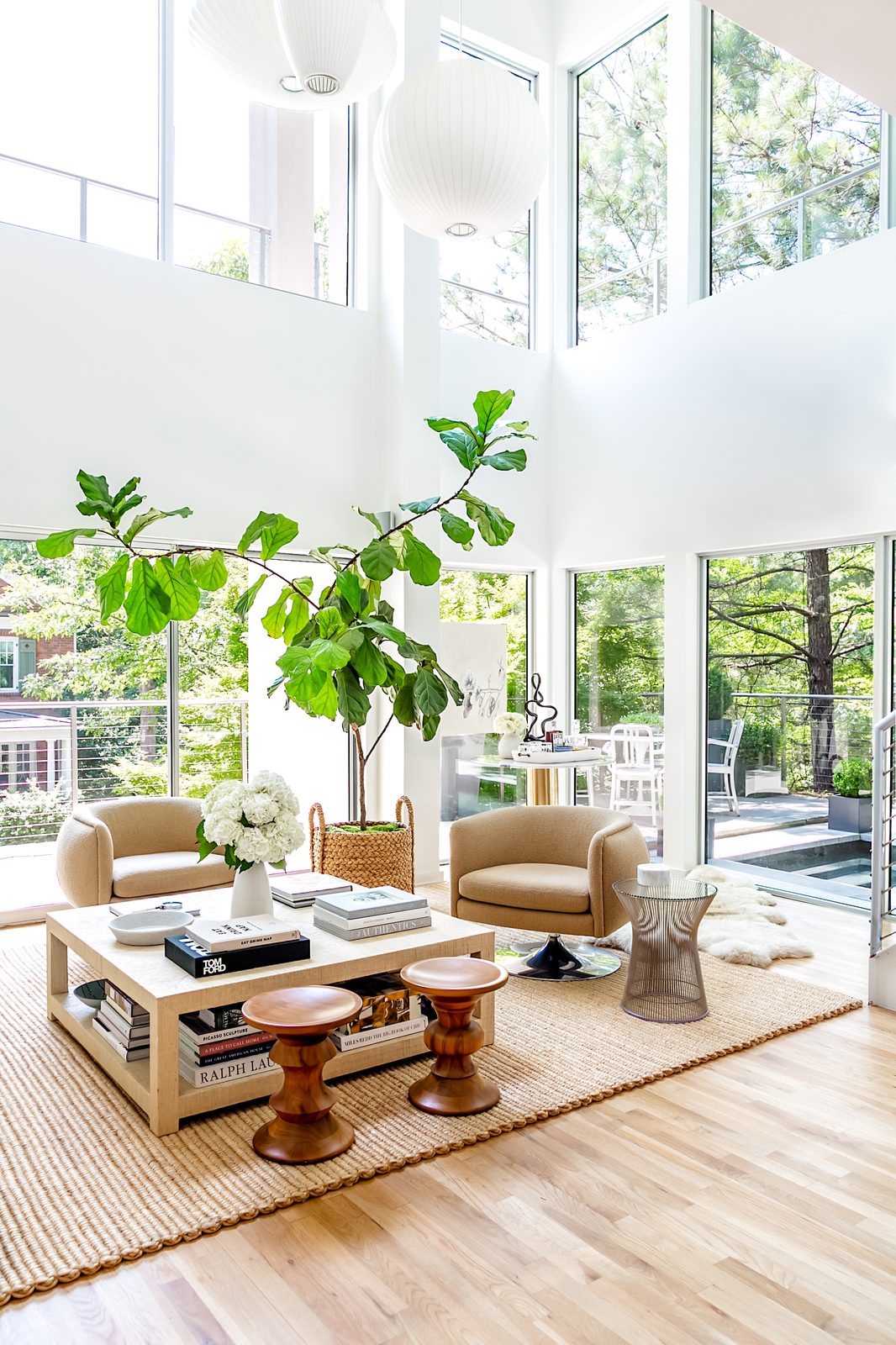
Editors Decide in Seconds
Magazine editors and digital publishers aren't reading your pitch email first. They're scrolling through images. If the photography doesn't stop them, the project description never gets read.
What stops them isn't just a beautiful room. It's an image that feels like it already belongs in their publication: one with the right composition, the right light, and the kind of intentional styling that says this was shot for editorial, not for a listing.
That distinction matters more than most designers realize. A real estate photo and an editorial photo can be of the same room and tell completely different stories. One says "this home is for sale." The other says "this designer created something worth talking about."
What Editorial Photography Actually Requires
When a photographer shoots with publication in mind, the process changes in ways that aren't always visible to the client but are immediately visible to an editor.
Composition built for layout.
A skilled editorial photographer is thinking about how images will be used on a page, not just how they look on a screen. That means leaving room at the edges for cropping, considering which shots could work as a cover image or a two-page spread, and making sure every strong composition is captured in both horizontal and vertical orientation. There's nothing worse than an editor falling in love with a shot and then asking if you got it in vertical, and you didn't.
A deliberate mix of shot types.
Publications need variety to build a visual story across multiple pages. That means wide establishing shots, mid-range three-quarter views, and tight detail vignettes. A well-planned shoot delivers all three. A rushed one delivers twenty versions of the same wide angle and nothing an editor can use for a spotlight feature or a detail callout.
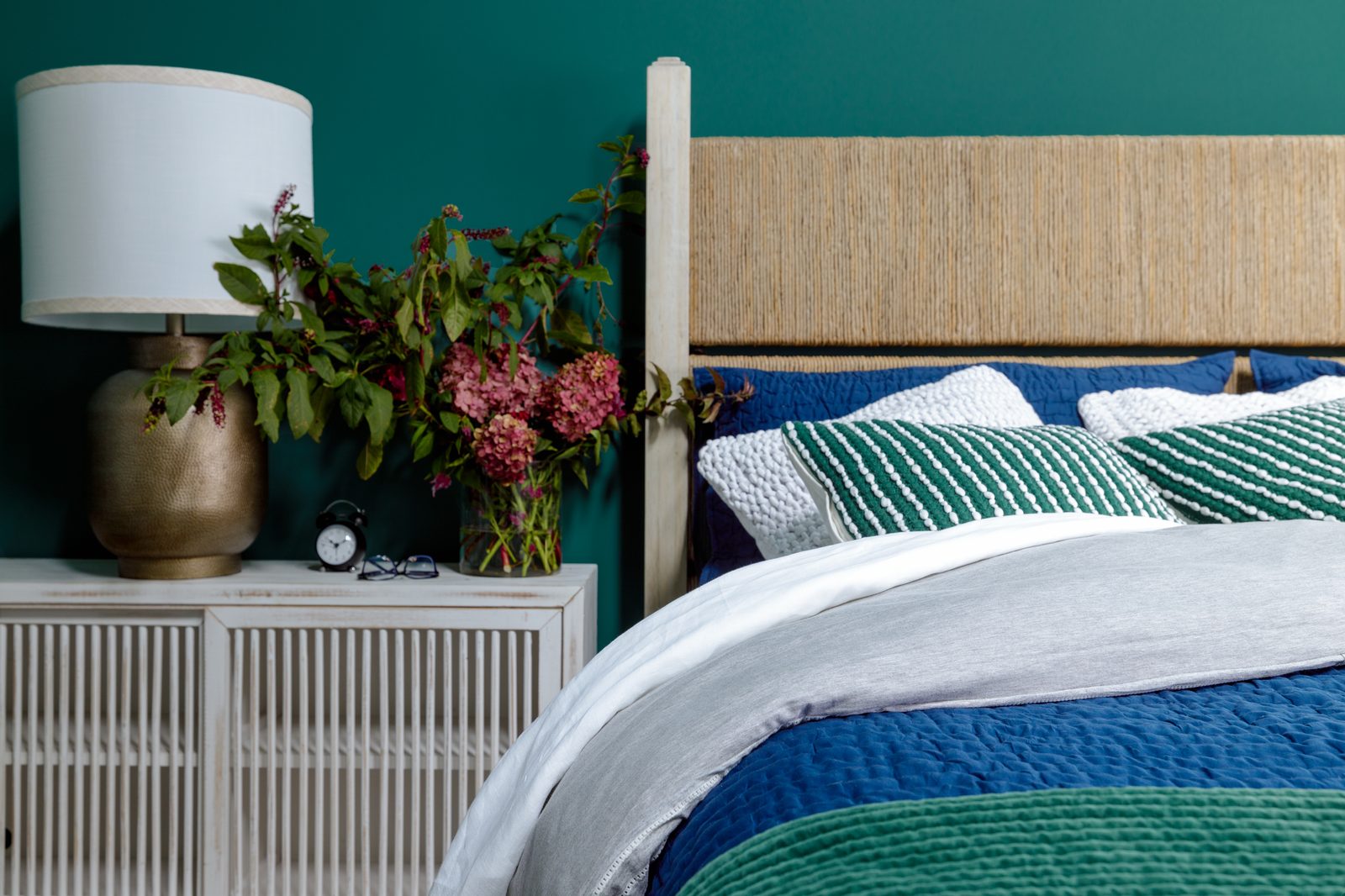
Light that looks natural but isn't accidental.
Editorial lighting is one of the clearest signals to an editor that a submission is professional. Overhead fixtures turned on, mixed color temperatures, harsh window blow-out: these are the things that get a project passed over in seconds. The kind of light that reads as effortless in a magazine is actually the result of careful planning and technical control.
The Styling Gap
Styling is the single biggest gap between a project that's ready for publication and one that isn't.
A space can be beautifully designed and still not photograph well for editorial purposes. The difference often comes down to the details that a camera notices but a human eye forgives: a cluttered countertop, a pillow that's slightly off, a reflection in a mirror that pulls focus. These are things that disappear when you're standing in the room but become the first thing you see in a photograph.
Professional styling for a shoot isn't about making the space look different from how it was designed. It's about making it photograph the way it actually feels in person. That takes intention, and it takes time. A single room might only yield two or three final images over two hours of shooting, not because the photographer is slow, but because every frame is being built with purpose.
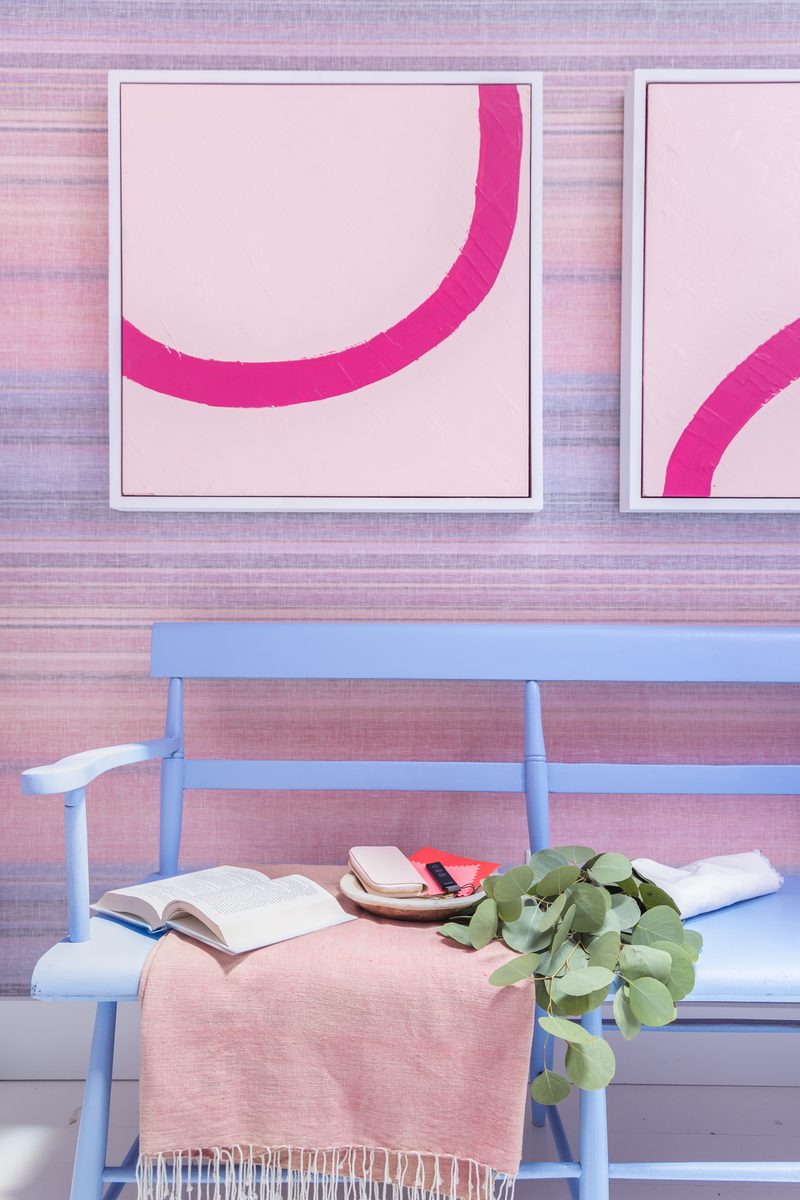
If styling isn't your strength, or if you simply don't have the bandwidth on shoot day, hiring a stylist is one of the highest-return investments you can make. The cost can feel significant: stylists typically charge both a prep rate and a shoot day rate, and the total often lands close to the photographer's day rate. But the work they do is heavy, and the difference it makes in the final images is hard to overstate.
Your Photographer Should Be a Strategic Partner
Most advice about getting published focuses on the pitch: how to write the email, who to send it to, what to include. That's all important. But by the time you're writing that email, the most critical decisions have already been made. They were made on shoot day.
The right photographer isn't just someone who shows up with a camera and captures what's there. They're someone who understands what an editor needs to see, who plans the shot list with submissions in mind, and who knows that a project's chances of getting picked up are largely determined by what happens during those few hours on location.
That means the conversation about publication goals should happen before the shoot, not after. If your photographer knows you're planning to submit to shelter magazines, they can plan differently: the composition, the variety of shots, the way they handle styling details. If they find out after the fact, it's too late to go back and capture what's missing.
What a Publication-Ready Shoot Delivers
When a shoot is planned with editorial goals in mind, the deliverables go beyond a gallery of beautiful images. You walk away with a submission-ready package:
A set of hero images strong enough to lead a feature, shot in both orientations so an editor has layout flexibility. A collection of detail and vignette shots that give a publication enough variety to build a multi-page story. And a consistent visual quality across the entire set that signals professionalism before anyone reads your bio.
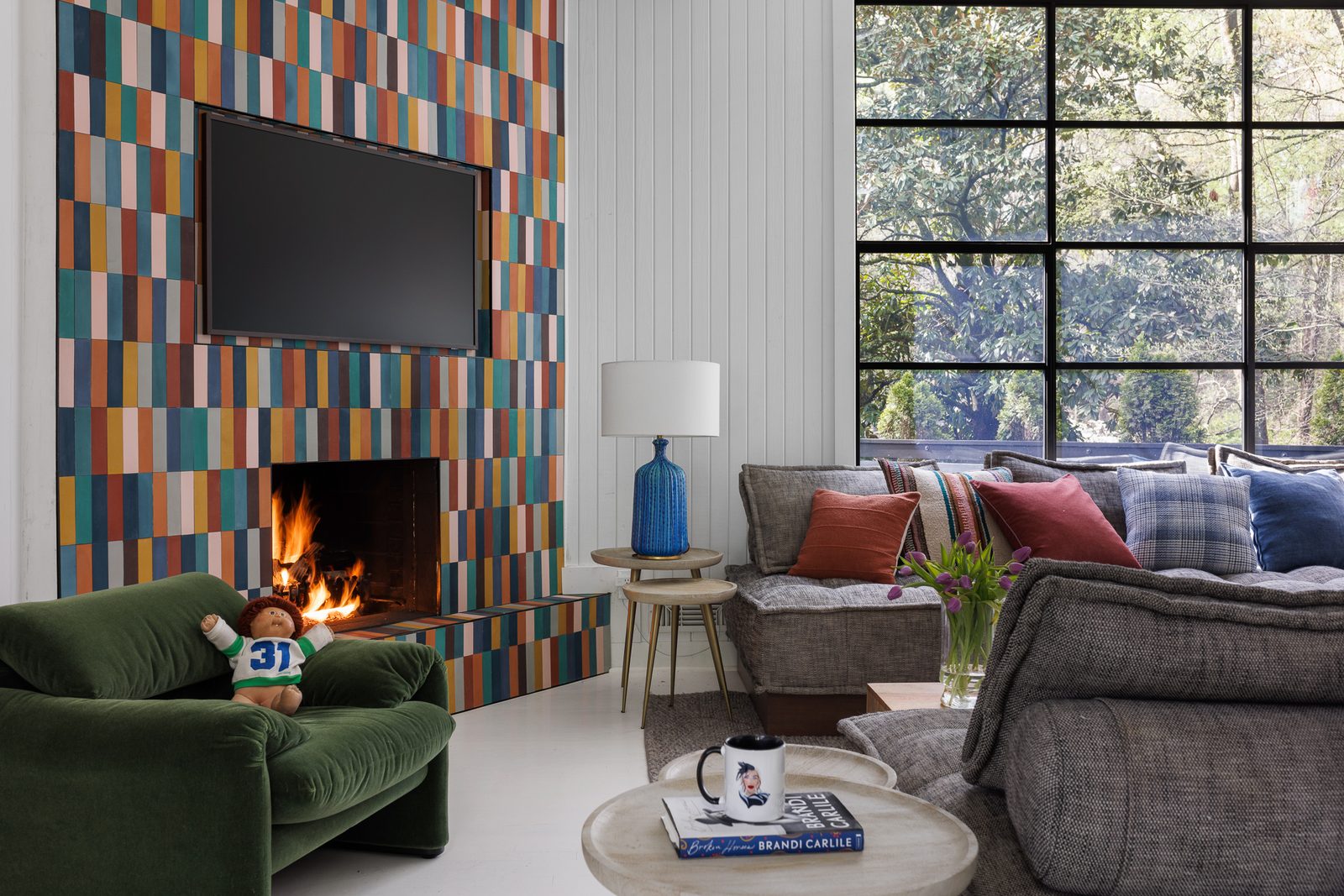
That package is what separates a submission that gets a response from one that gets archived. Editors aren't just evaluating individual images. They're evaluating whether they can build a story from what you've sent, and whether the quality is consistent enough that they won't need to reshoot.
The Long Game
Getting published isn't a one-submission process. It's a relationship built over time, with editors, with publications, and with the quality of work you consistently put forward. Every project you shoot at an editorial level adds to your body of work and your credibility with the publications that matter to your business.
The designers who get featured regularly aren't the ones with the biggest budgets or the most connections. They're the ones who treat every project as a potential submission and invest in the photography accordingly. Over time, that consistency compounds. Editors start to recognize your name. Your submissions start to feel familiar. And the path from pitch to feature gets shorter.
It Starts Before the Shoot
If you're serious about getting your work published, the most important decision you'll make isn't which editor to email or how to format your pitch. It's choosing a photographer who understands the editorial world and can plan a shoot that gives you the images you need to compete.
That's what I do. Every shoot I approach with the assumption that this project could end up in a magazine, because if the images are strong enough, it can. And I'd rather you have that option than wish you did.
If you're working on a project you think could be publication-worthy, I'd love to hear about it. Let's talk about how to photograph it with that goal in mind.
Frequently Asked Questions
Do I need professional photography to get published in a shelter magazine?
In almost every case, yes. Editors receive hundreds of submissions, and the quality of your photography is the first filter. Projects shot with professional editorial lighting, intentional composition, and proper styling are the ones that move forward. A few publications will reshoot projects they love, but relying on that is a gamble when the competition is this strong.
What's the difference between interior design photography and real estate photography for publication purposes?
Real estate photography is designed to sell a home: wide angles, bright lighting, quick turnaround. Editorial interior design photography is designed to tell a story about the design itself. The compositions are more intentional, the lighting is more controlled, and the styling is more refined. Editors can spot the difference immediately, and real estate-style images are almost always passed over for publication.
How should I prepare my project for an editorial photo shoot?
Start by having a conversation with your photographer about your publication goals before shoot day. Make sure the space is fully styled, not just designed, but camera-ready down to every surface and shelf. Plan for enough time to shoot each room thoroughly, including detail shots and vignettes. And if styling isn't your strong suit, bring in a professional stylist. The investment pays for itself in the quality of your submission package.
How long does it take to hear back after submitting to a publication?
Timelines vary widely. Some digital publications respond within weeks. Print magazines may take months, and it's common not to hear back at all if a project isn't selected. The key is to keep submitting consistently and to have multiple projects in different stages of the pipeline at any given time. Publication is a long game, and persistence matters as much as quality.