Route every image by the job it does, not by how good it is. The website project page gets the 6–10 frames that tell the project's full story. Instagram gets the details, verticals, and re-crops that stop a scroll. If publication is the plan, that gets decided before the shoot and the set gets held. The rule of thumb: depth-of-story goes to the portfolio; moments-of-beauty go to social. One full-day delivery of 12–15 finals feeds all three surfaces, because the same files get re-cut and re-sequenced for each one.
That last part is the piece most routing advice gets wrong. The question isn't "is this image good enough for the website?" Plenty of images that are too good for Instagram still don't belong on a project page. The question is what job the frame can do, and most frames can do a job on more than one surface. Here's how I'd route a real delivery, the same logic I walk through with designers after every shoot.
The Website Is for Qualifying
A project page has one job: convince a prospect you can carry a whole project. Visitors there aren't browsing for inspiration. They're deciding whether to email you. I covered the counts in the companion post: 8–12 projects, 6–10 finals each. This post is about which 6–10.
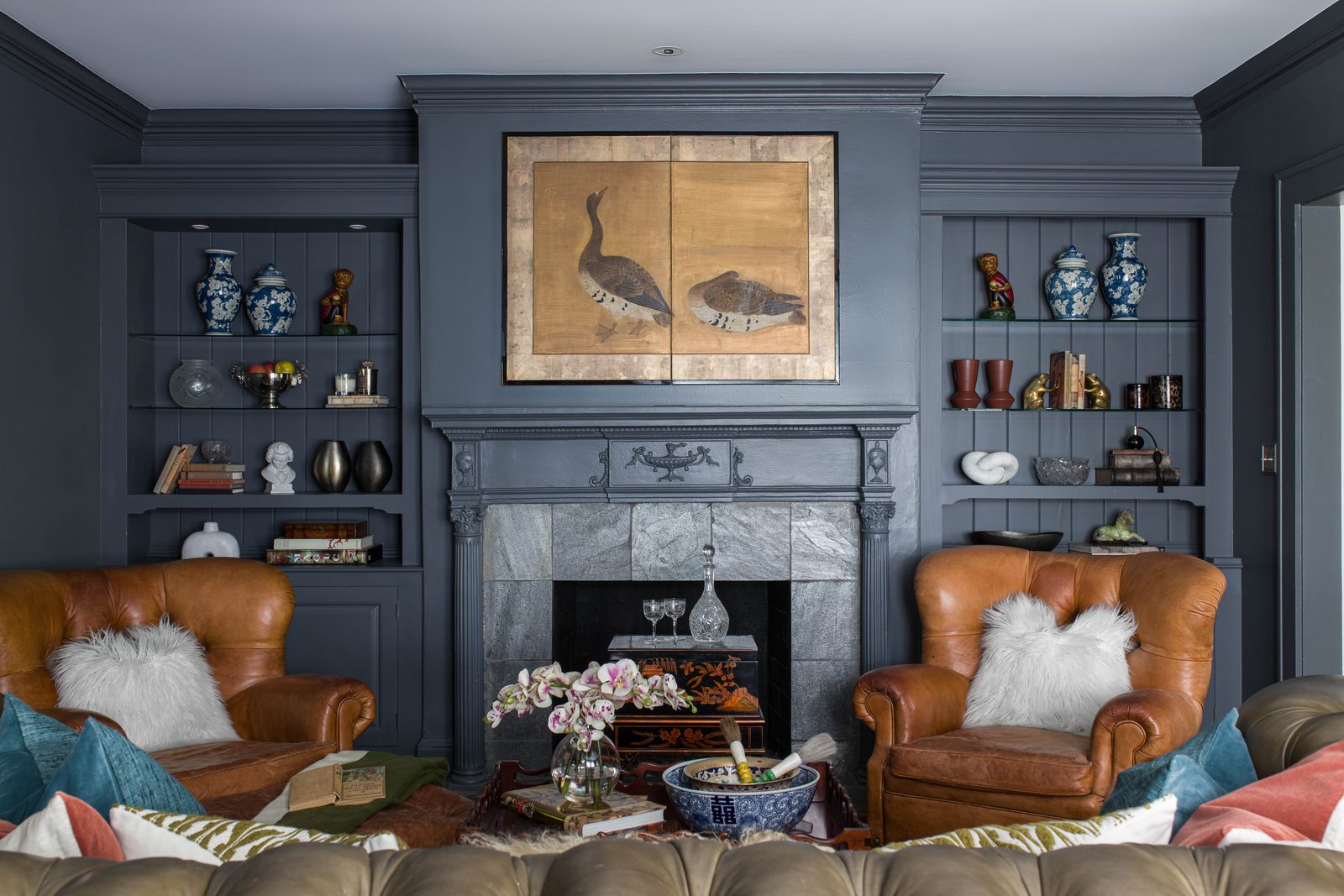
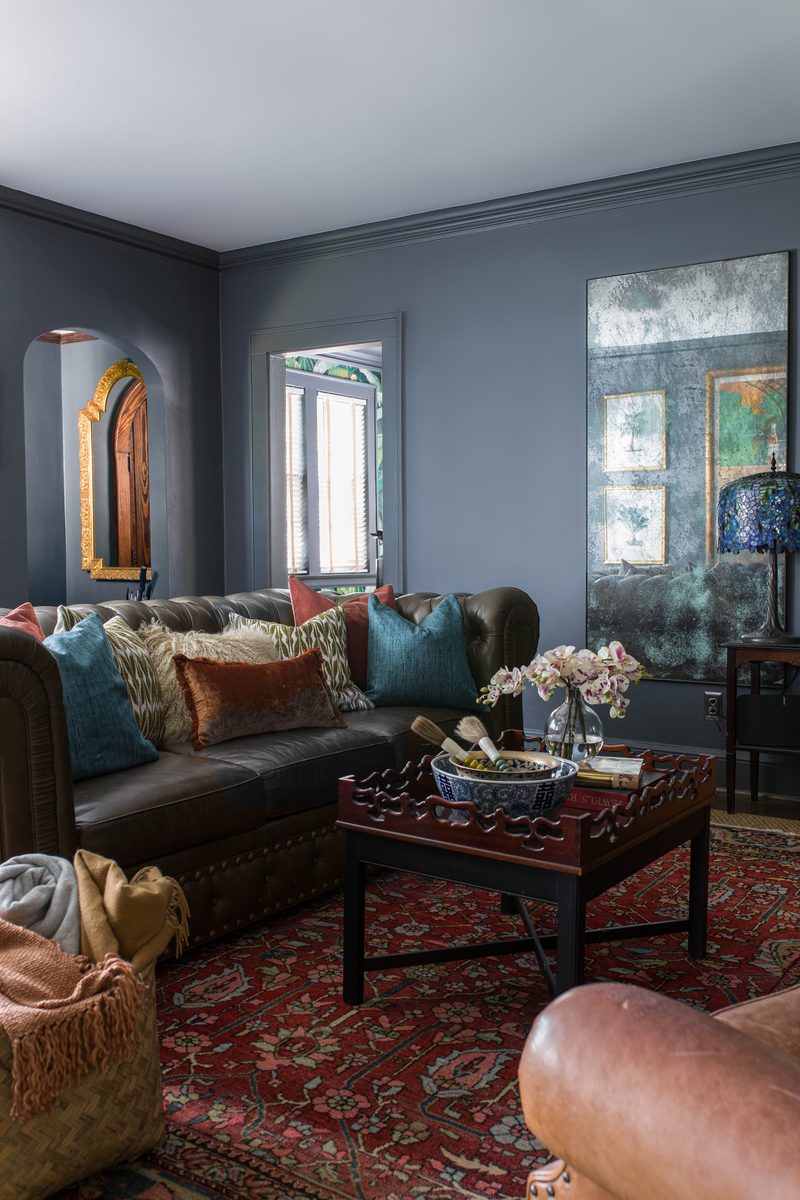
The frames that earn a project page are the ones that build a story of the space: the wide that establishes scale, the three-quarters that show how rooms relate, the one or two details that prove the finish work. Read in sequence, they should feel like walking the project.
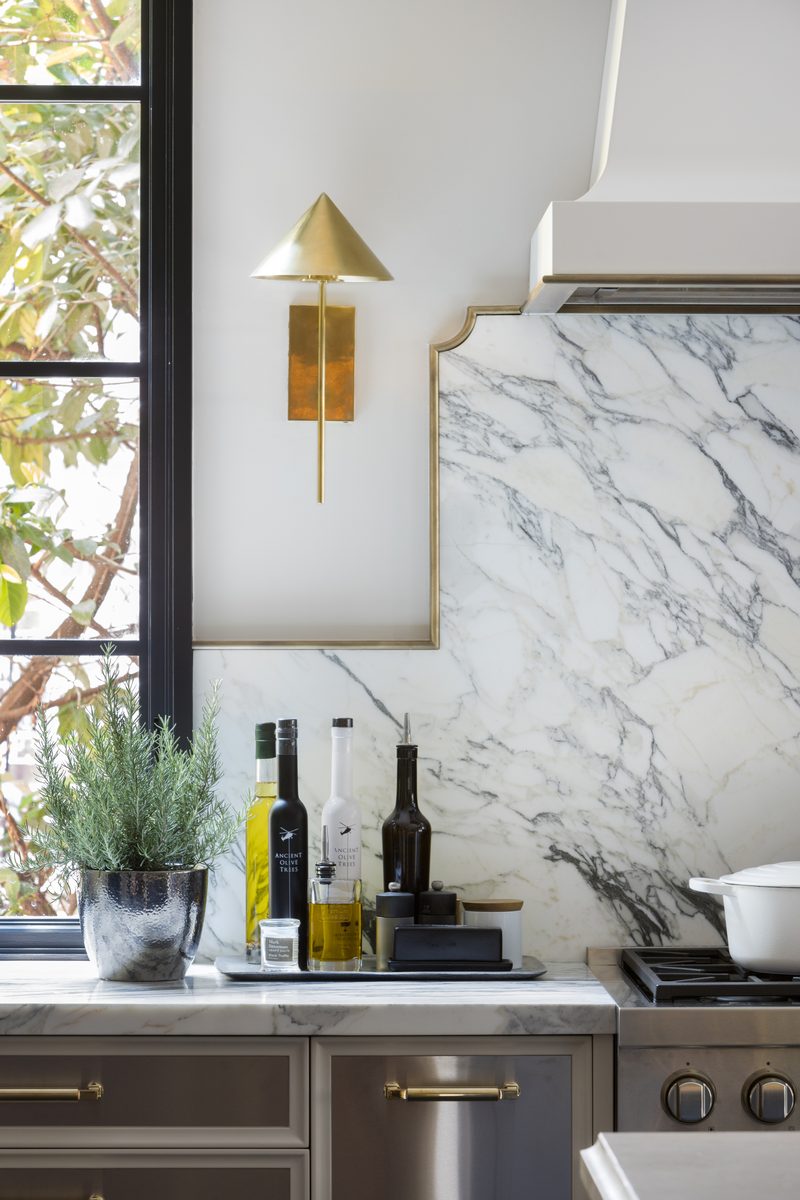
Here's what disqualifies a frame from the website, and it's usually not weakness. It's narrowness. A gorgeous tight vignette of a brass faucet against zellige tile is a moment, not a story. Put three of those on a project page and the page stops saying "I designed this home" and starts saying "I styled these corners." The prospect can't gauge scale, flow, or scope: the exact things he came to check.
The other thing the website can't forgive is an off-frame. One muddy phone shot or awkward crop in a set of nine resets the perceived standard for the whole project. On a surface where the photography is doing the qualifying for you, the weakest frame on the page is your standard.
Instagram Is for Discovery
The grid rewards exactly what the project page penalizes. A tight detail vignette is too narrow to carry a website page, and it's a perfect grid tile. One focal point, reads instantly at thumbnail size, stops a thumb mid-scroll. The frames I flag as "too tight for the site" in a delivery are almost always the first ones I'd route to Instagram.
That's the core asymmetry. The website needs depth-of-story; Instagram needs moments-of-beauty. Same shoot, opposite filters.
Social also forgives, and often rewards, things the portfolio can't touch:
- Verticals and 4:5 crops. The format favors them; the alternates and vertical re-crops in your delivery folder that never made the project page get a second life here.
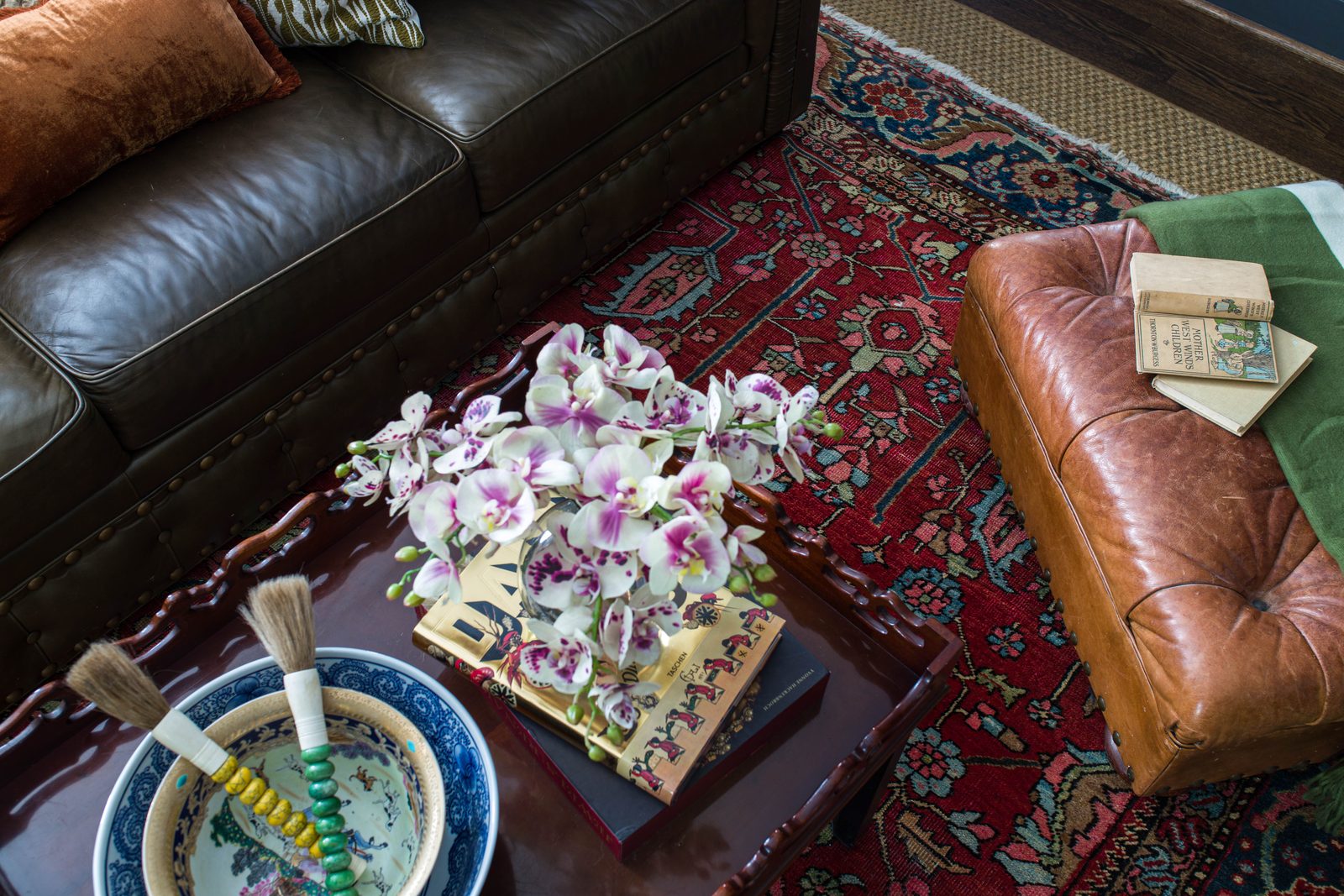
- Detail vignettes. Hardware, drapery returns, a styled shelf. Grid gold, page filler.
- Process and behind-the-scenes. Install day, fabric pulls, the room half-staged. Phone shots are legitimate here: nobody expects a BTS frame to be retouched, and the contrast actually makes the finished frames hit harder.
- Personality frames. You in the space, the dog on the new rug. The grid is where prospects decide whether they'd enjoy working with you, not just whether you're capable.
The working structure is the 30–50 image rolling rotation: hero frames near the top, details and process shots giving the grid texture underneath. Every delivery should feed that rotation for two to three months, which is exactly what the routing below is built to do.
Publication Intent Is Set Before the Shoot
If a project might get published, that decision belongs at the booking, not at the delivery. When a designer hires me, we talk about what the shoot is for: website and social, a press pitch, or a specific magazine that has already asked to see the space. That answer shapes how we shoot the day, not just where the files go afterward.
When publication is the intent, generally all 12–15 finals are held from the start. Publications vary in how they treat images that have already run on your Instagram or website, and some care a great deal about being first. You don't want to discover a magazine's prior-use policy after the cover-worthy vertical has been a grid post for six weeks.
The hold isn't permanent, and it usually isn't total either. A magazine typically runs one to three images from a project, sometimes a few more for a larger feature. Everything we capture beyond what the publication actually needs is free to go to your website and your grid. So a shoot planned for publication doesn't cost you your marketing images. It sequences them: press first, then everything else. Here's the full picture on getting projects published, including what makes a set pitch-ready.
Routing a Real Delivery: One Set, Three Surfaces
Here's a typical full-day delivery, routed frame-type by frame-type. A full day delivers 12–15 included finals, a working mix of wide establishing shots, three-quarter views, verticals, and detail vignettes.
Every number below counts the same 12–15 files. These aren't three separate sets, and you don't need more images to fill them. A frame that anchors your project page can anchor the grid three weeks later as a vertical re-crop, then sit in a press set as part of a different sequence. What changes from one surface to the next is the crop, the order, and the timing. Not the count.
- Website project page: 8 frames. The hero, three wides/three-quarters that walk the space, two more supporting angles, one vertical for rhythm, one detail to prove the finish work. That's the story, told once, at full strength.
- Instagram: 10–12 posts over 2–3 months. Mostly frames that already live somewhere else, spaced out and re-cropped. The detail vignettes lead, since they're the strongest tiles in the delivery. Then the verticals, the re-crops I include, and 3–5 of the website frames re-used as the project's grid anchors. One shoot keeps the 30–50 rotation fed for a quarter.
- Press set: 8–12 frames, assembled and held. The same files again, re-cut and re-ordered for a different reader: vertical-friendly hero, a wide, a three-quarter, 4–6 details. When publication is the intent, this set gets built first and everything else waits behind it.
Add those numbers up and you'll get well past 15. That's the point. Most frames do a job on more than one surface, just not the same job, and rarely in the same week.
Restraint Is Part of the Edit
Having 15 strong finals doesn't mean putting 15 on the project page. Because we agree on every frame together while we're still standing in the room, nothing in your delivery is a throwaway. That makes routing a question of placement rather than quality: which surface does this frame serve, and does it need to show up anywhere else?
The temptation is to use everything everywhere, on the logic that content is content. Resist it. On the website, every frame past the strongest 8 dilutes the project's impression; the 25-image project page reads as I didn't know which to cut. On Instagram the penalty is slower but real: posting a project's entire set in one week buries the heroes and burns three months of grid in five days.
Restraint reads as competence. The designer whose every visible frame is intentional looks like she has an archive of equally strong work behind it. Holding frames back, and releasing them on your own schedule, is what makes the ones you do show land.
The Short Version
The same full-day delivery of 12–15 finals feeds three surfaces with three different jobs, and the numbers overlap because the files get re-used. The website project page gets the 6–10 frames that tell the project's story at full strength; Instagram gets the detail vignettes, verticals, and re-crops that work as scroll-stopping tiles, feeding the 30–50 rolling grid for two to three months; a press set of 8–12 gets assembled from those same files. If publication is the intent, that's set before the shoot and generally the whole delivery is held until the magazine takes what it needs, which is usually only one to three images. Everything past that is yours to use. The frames that are too tight for the website are usually the best things in your grid: depth-of-story belongs to the portfolio, moments-of-beauty belong to social. If you're staring at a fresh delivery and aren't sure how to route it, I'd love to talk it through. Routing is a twenty-minute conversation, and it's one I have after most shoots anyway.
Quick Answers
Should I put all my project photos on my website?
No. A website project page should carry 6–10 final images that tell the project's story: a wide establishing shot, supporting three-quarters, one or two details. Loading the full delivery onto the page dilutes the impression; the strongest version of a project is the edited one. The rest of the delivery isn't wasted. It routes to Instagram and press.
What interior photos should I post on Instagram instead of my portfolio?
The tight detail vignettes, vertical crops, alternates, and process shots. Detail frames are usually too narrow to carry a website project page but make ideal grid tiles: one focal point, instantly readable at thumbnail size. Behind-the-scenes and phone shots are also legitimate on social in a way they never are on the portfolio.
What's the difference between portfolio photos and social media photos?
The job, not the quality. Portfolio frames build a depth-of-story: they show scale, flow, and scope so a prospect can qualify you for a whole project. Social frames are moments-of-beauty, single strong images that stop a scroll. The same shoot produces both, but very few individual frames do both jobs well.
How do I split one photo shoot between my website, Instagram, and press?
You don't split it so much as re-use it. From a typical full-day delivery of 12–15 finals: route 8 to the website project page, feed 10–12 posts into the Instagram grid over two to three months, and assemble a press set of 8–12. Those numbers add up to more than 15 because they're the same files, re-cropped and re-sequenced for each surface. What changes from one to the next is the crop, the order, and the timing, not the count.
Can I post project photos on Instagram before pitching a magazine?
Ideally you decide before the shoot rather than after. If publication is the intent, generally all 12–15 finals are held from the start, because publications differ on prior use and some want to be first. The hold isn't permanent: a magazine typically runs only one to three images from a project, so once the feature is settled, everything beyond what it uses is free for your website and your grid.