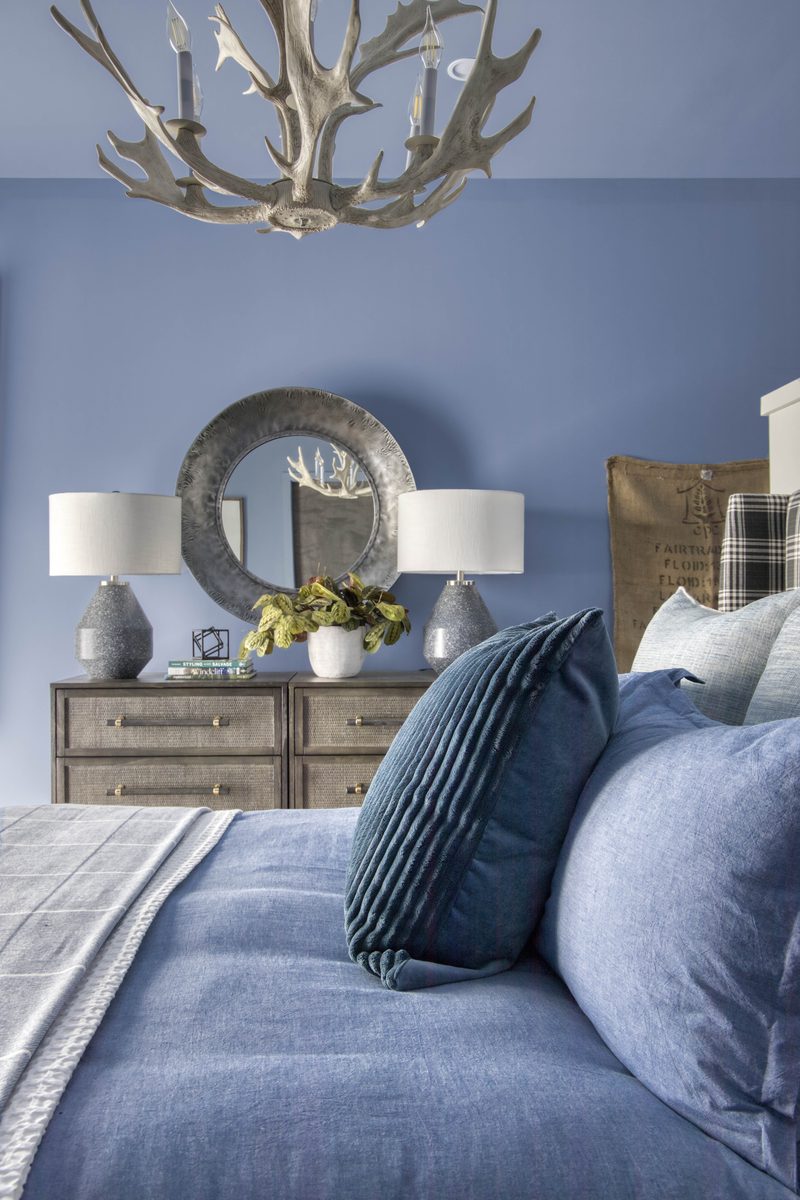
The styling decisions that most often work against interior photography aren't design failures: they're decisions made for the human eye rather than the camera. The biggest ones: arriving without enough on-set options, skipping the hand steamer (and a long extension cord), over-styling the space, holding on to a piece that isn't working through the lens, and treating the shoot as a delivery rather than a collaboration. Here's what each one looks like in practice, and what to do instead.
The camera doesn't see what you see. That's not a flaw in the process. It's simply the nature of the medium. What reads as balanced, considered, and refined in person can shift noticeably once it's viewed through a lens. Scale changes. Proportion changes. Details that felt intentional can suddenly compete for attention in ways they never did in the room.
Most styling decisions that affect photography results aren't mistakes in design. They're decisions made for the wrong medium. Understanding how photography interprets a space, and adjusting preparation accordingly, is what separates good images from strong ones.
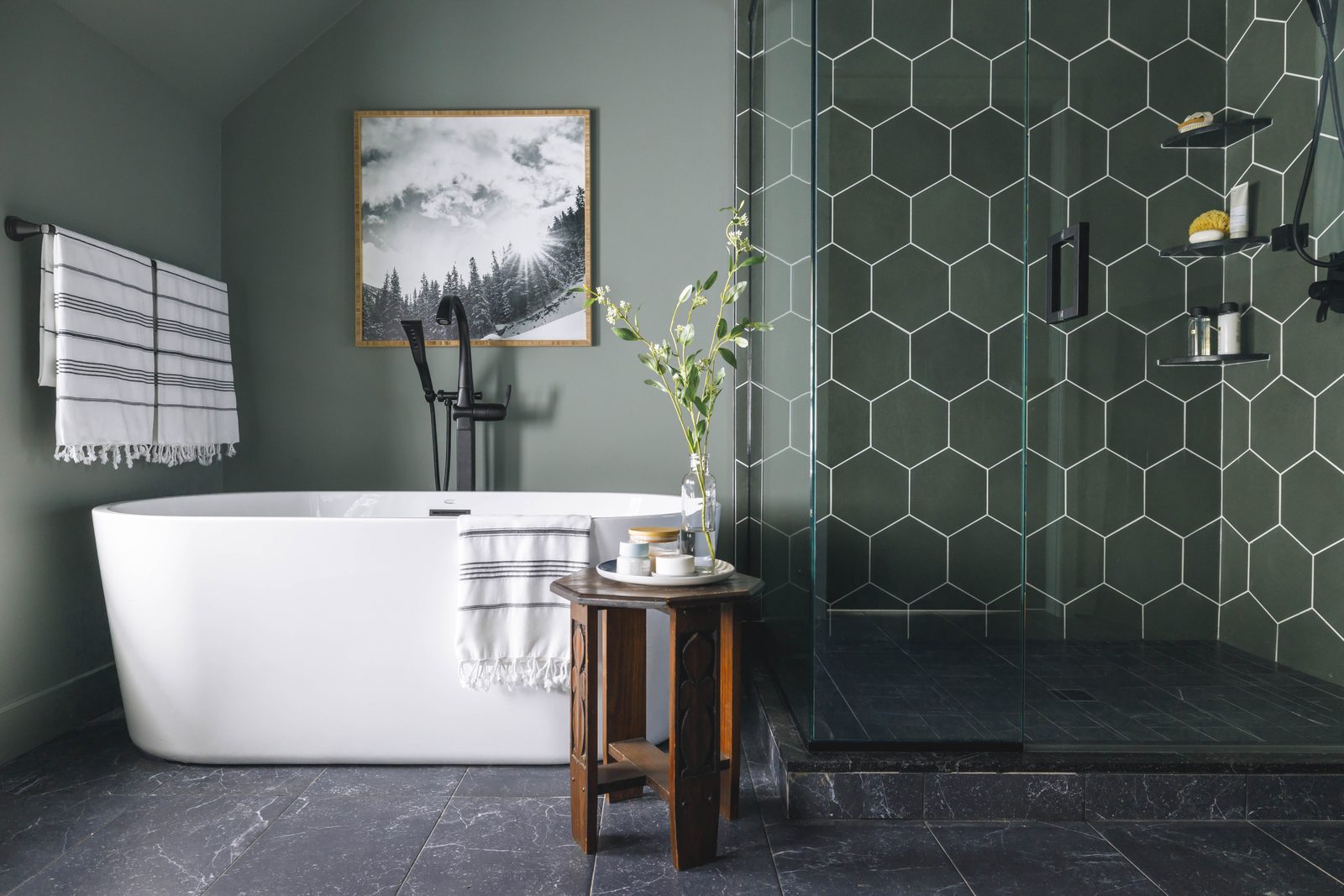
Arriving Without Enough Styling Options
A strong design vision is an asset. On shoot day, it can occasionally become a limitation.
When the styling plan is built around specific pieces and those pieces don't translate the way you expected, through the lens, at that angle, in that light, there's very little room to adjust if nothing else is available.
The camera makes decisions visible that the eye overlooks. A vase that felt perfect in the room may read too heavy in the frame. A stack of books that anchored a surface beautifully in person may disappear entirely on camera. Scale, tone, and proportion shift.
Having options changes everything. Bring more than you think you need, especially in these categories:
- Vessels and vases in varying heights and tones
- Books in different sizes and neutral covers
- Trays, bowls, and decorative objects
- Throws and textiles in different weights
- Greenery and botanicals in varying scales
- Candles in both taper and vessel styles
You won't use all of it. That's the point. The ability to swap, adjust, and edit in the moment is one of the most valuable tools you can bring to a shoot. Editing on site, with options in hand, produces stronger images than committing to a plan that isn't working through the lens.
Not Bringing a Hand Steamer, and a Long Extension Cord
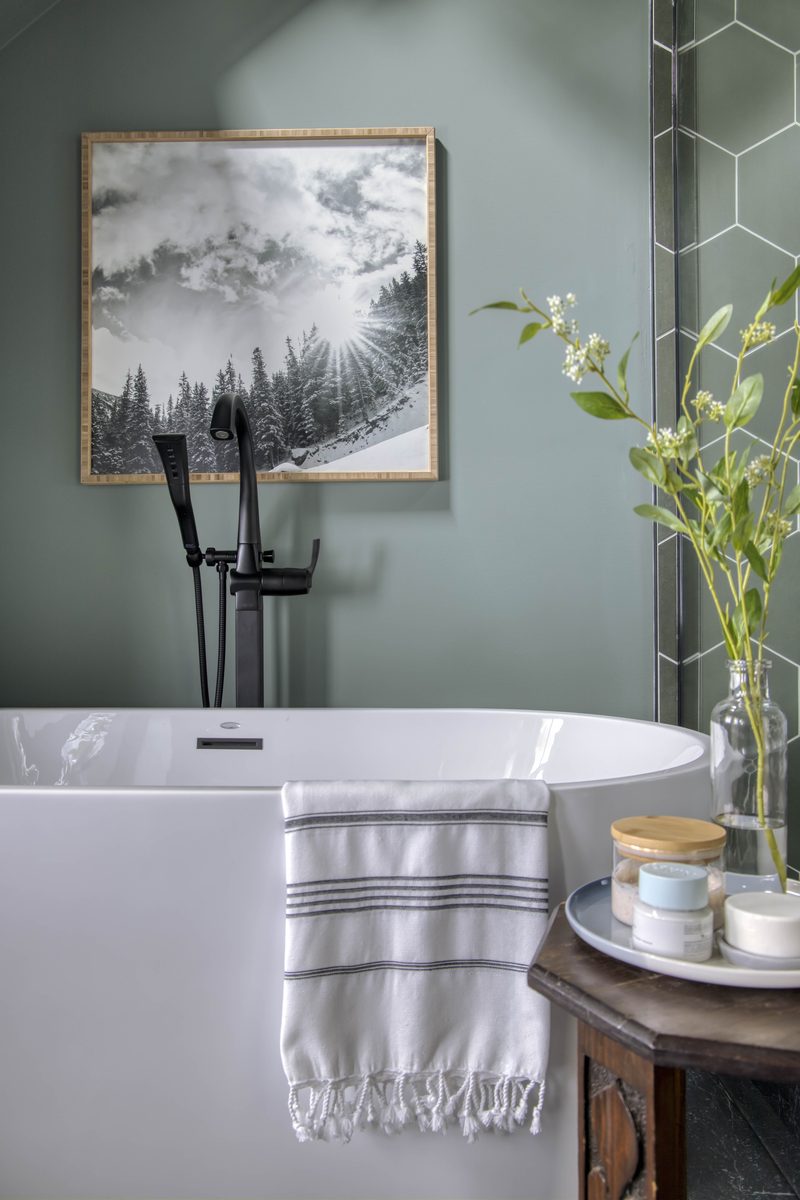
Textiles are one of the first things the camera notices.
A wrinkled duvet cover. Drapery with a fold line from being tied back too long. A linen napkin that looked relaxed and casual to the eye, and looks like it came from the bottom of the hamper through the lens.
These are details that styling can't solve on the day without the right tool. Wrinkles are also one of the most difficult things to correct in post-production. Unlike a stray cord or a smudge on a surface, fabric creases require significant retouching time, making them one of the more expensive fixes to outsource. A hand steamer costs less than an hour of professional retouching.
Most local box stores carry them for under $100, a small investment that pays for itself on the first shoot. Just as importantly: bring a long extension cord. Outlets are rarely where you need them, and a short cord in the wrong room creates unnecessary friction when time matters.
Pack for:
- Duvet covers and pillow covers
- Drapery and curtain panels
- Table linens and napkins
- Throw blankets
- Towels
A few minutes with a steamer before the camera arrives can be the difference between an image that feels polished and one that feels slightly off, without anyone being able to identify exactly why.
Letting Abundance Work Against the Image
More is not always more, and photography makes that clear quickly.
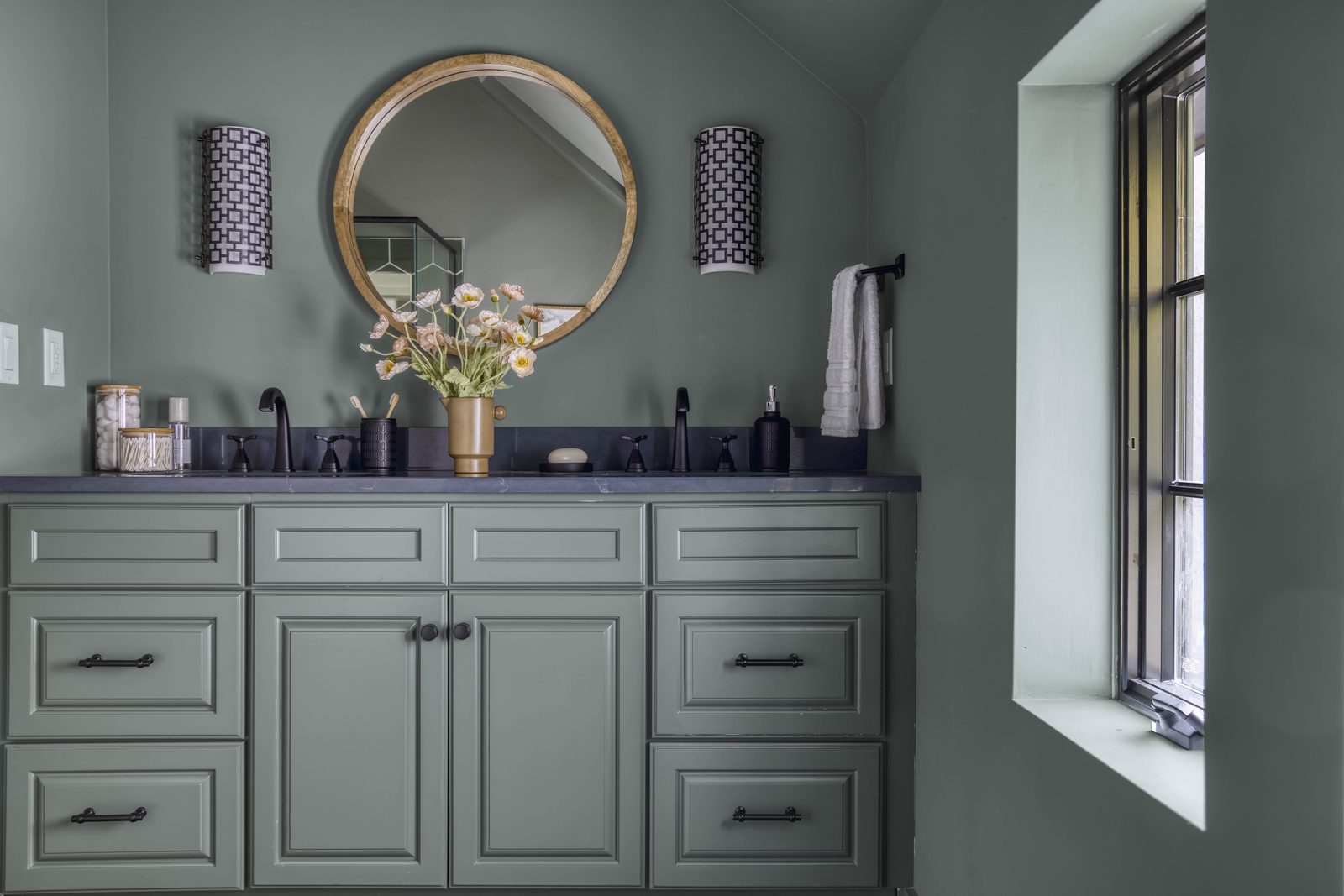
There is a natural instinct to fill a space. To layer, add, and elevate until everything feels considered and complete. That instinct serves designers well in real life. On camera, it can work against the very design it's meant to showcase.
Photography compresses space. What feels balanced and layered in person can read as cluttered in a frame. The eye moves through a room naturally, editing as it goes. The camera captures everything at once, giving every object equal attention.
One accessory too many, and the image loses its point of focus. The design gets lost in the details.
When in doubt, take it away.
Knowing When to Let Go
Every designer arrives on shoot day with a vision. Specific pieces were sourced, arrangements were considered, and decisions were made with intention. That investment is part of what makes the work meaningful.
An object, a furniture arrangement, a specific vignette, something you've been picturing in the final image for weeks, may simply not work once you're looking at it through the lens. The color pulls differently. A shape competes with something behind it. An angle that felt obvious while walking the room loses something when it's framed. It just doesn't land the way it lived in your imagination.
This is one of the more difficult moments on shoot day. And one of the most important ones to navigate well. Letting go of something that isn't working, even something you love, almost always produces a stronger image than holding on to it.
The exception is a sponsored shoot, where specific products are required to appear in the final images. Outside of that context, every decision on shoot day should be considered flexible.
What looked perfect in your mind and what works through the lens are sometimes two different things. The willingness to tell those apart is what separates a good shoot from a great one.