Working with an interior photographer runs in five phases: booking (ideally before install finishes), a prep period of one to two weeks, a half- or full-day shoot, a two-week edit, and delivery with a usage license. In Atlanta, expect roughly $1,500 for a half day and $2,500–$3,500 for a full day, with 12–15 final images included. This guide walks the whole arc from the photographer's side of the table, including the part nobody writes down: how to be the client photographers prioritize.
Most guides on this topic are written by marketers who have never carried a tripod up a designer's staircase. I've photographed interiors for fifteen years, for designers, builders, magazines, and television, and the difference between designers who get extraordinary value from photography and designers who get images is almost never the budget. It's how they run the relationship. That's what this guide is actually about.
When to Bring the Photographer In
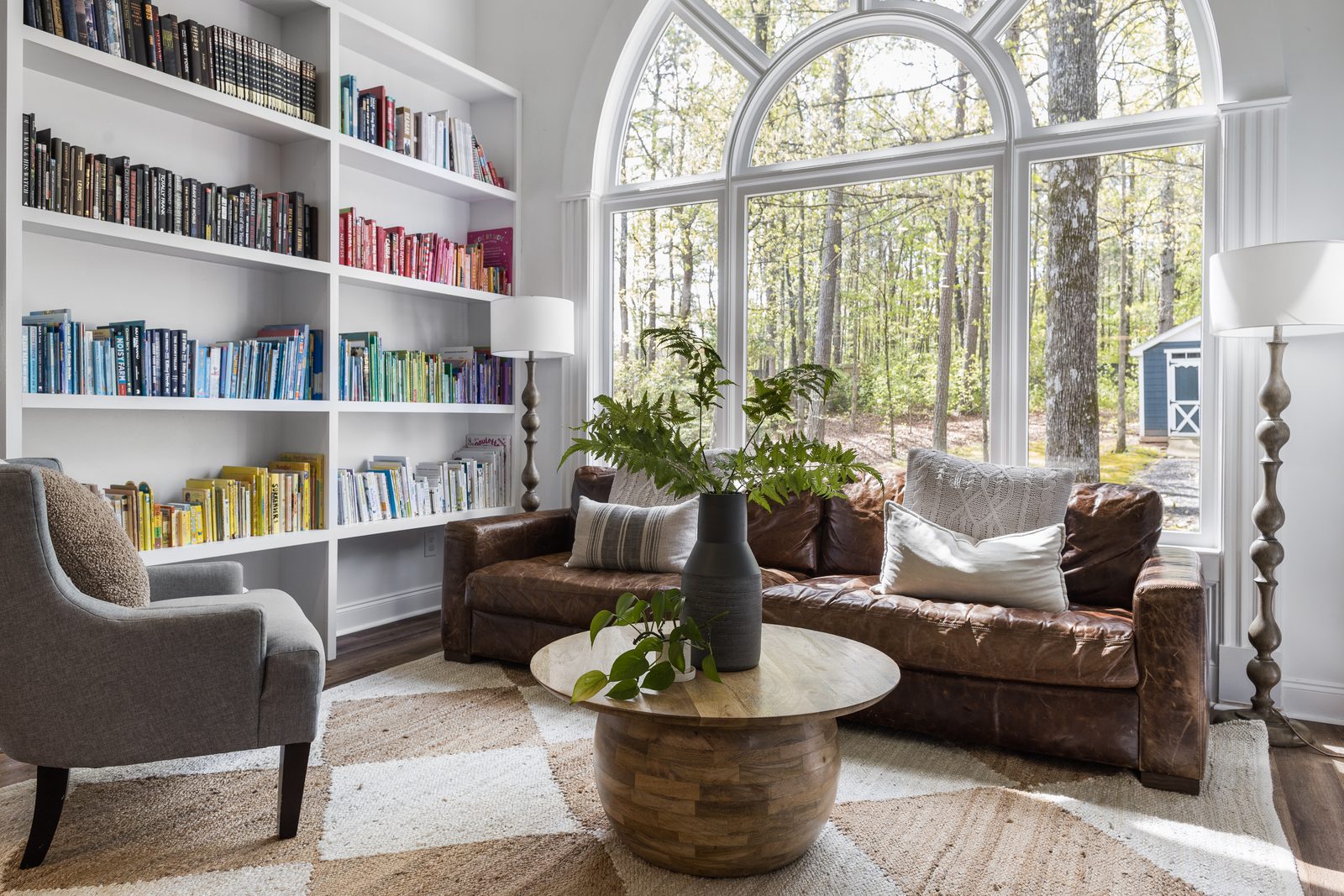
The best time to book is before the project is finished. Not because photographers' calendars fill (though they do: good ones book two to six weeks out), but because the conversation changes what you do in the final weeks of install.
An early booking buys you a planning conversation while it can still change things: whether the shoot should wait for the backordered console or work around it, which rooms earn the shot list, what season of light the project deserves, and what's worth styling versus leaving alone. Those calls cost nothing to make before the date is set, and they're expensive to discover on the day. A project that wraps with photography already scheduled also tends to finish: the styling gets completed, the punch list gets punched, because there's a date on the calendar that makes it real.
The booking mistake I see most: calling when the client's listing photos are due, the stager is pulling furniture Thursday, and the shoot has to happen Tuesday. Rush work is sometimes possible. It is never the best work, and it usually costs a premium.
Finding and Vetting the Right Photographer
Interior photography is a specialty, not a camera setting. The fastest filter: look at a photographer's portfolio and ask whether the images look like the magazines you want to be in, or like very good real estate listings. The difference is real and editors spot it instantly: composition built around the design story, controlled light, styling depth.
Beyond the portfolio, the vetting conversation matters more than designers expect. I wrote a full guide to what to ask, but the short list: how they handle lighting, what a shoot day looks like, the delivery timeline and image count, and (non-negotiable) what the license covers. A photographer who can't answer the licensing question crisply is going to make your press submissions complicated later.
One more signal that costs nothing to check: do they credit designers by name when they share work? Photographers who treat your project as your project are the ones who become long-term collaborators.
What It Costs and What You Get
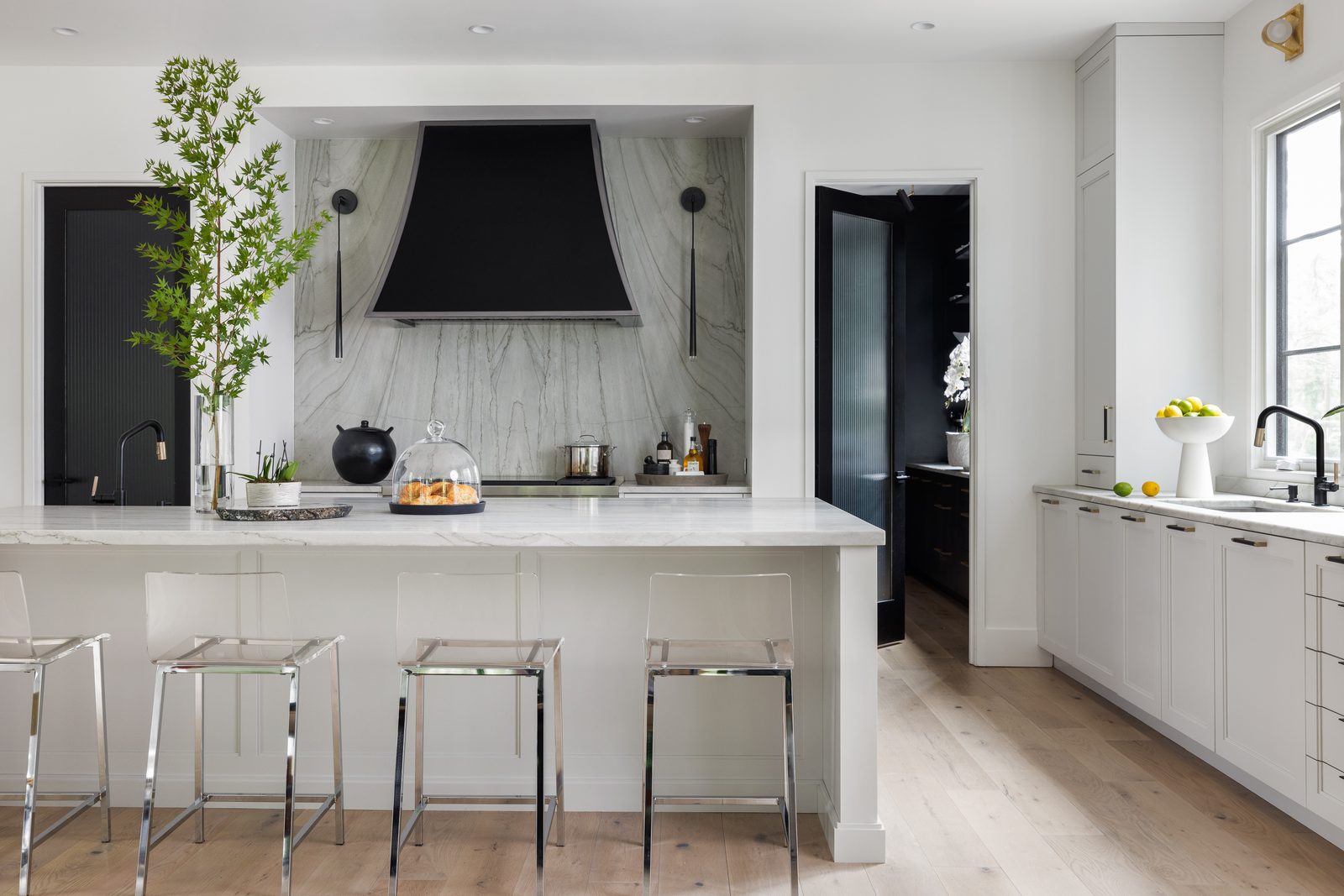
Here are the working numbers for the Atlanta market. A half-day session (around four hours) runs about $1,500 and includes 6–8 final images, right for a single space or a tight scope. A full day (eight hours) runs $2,500–$3,500 with 12–15 final images included. Where photographers use a base-plus-overage model, images beyond the included count are additional selects, typically $75–$150 each, and the clean version of that model is deciding at selection time: when you're choosing finals and you want number sixteen, you know exactly what it costs before you say yes. No surprise line items at invoice. The full cost breakdown, including travel and rush pricing, is here.
Three structural things matter more than the headline rate:
The deposit books the date. Industry standard is 50% at booking, balance around shoot day. The deposit is what converts a penciled-in date into a held one: it protects your spot on the calendar as much as it protects the photographer's time.
The license is the product. You're not buying files; you're buying the right to use them. A typical session license covers your portfolio, your marketing, your organic social media, and, if your photographer works the editorial side, one publication submission. Additional publications are licensed separately, usually starting around $400 each. Paid advertising and third-party use (the builder, the cabinet line, the tile vendor) are always separate licenses. That's not the photographer being difficult: it's the thing that prevents a vendor from running your project in their national campaign for free.
Cost-sharing is the most underused lever in the business. That same third-party interest is your discount: if the builder and the kitchen vendor each want images, one shoot can be licensed three ways and your share of the day drops by a third or more. The photographer coordinates it; you just have to ask the other parties early.
Before the Shoot: The Two Weeks That Decide Everything
The shoot is decided before the camera arrives. Once a date is booked, a good photographer sends an intake: rooms in priority order, the two or three details per room that matter most, what's still arriving, who's on site. From that comes a shot list and a schedule built around the light, not around the floor plan.
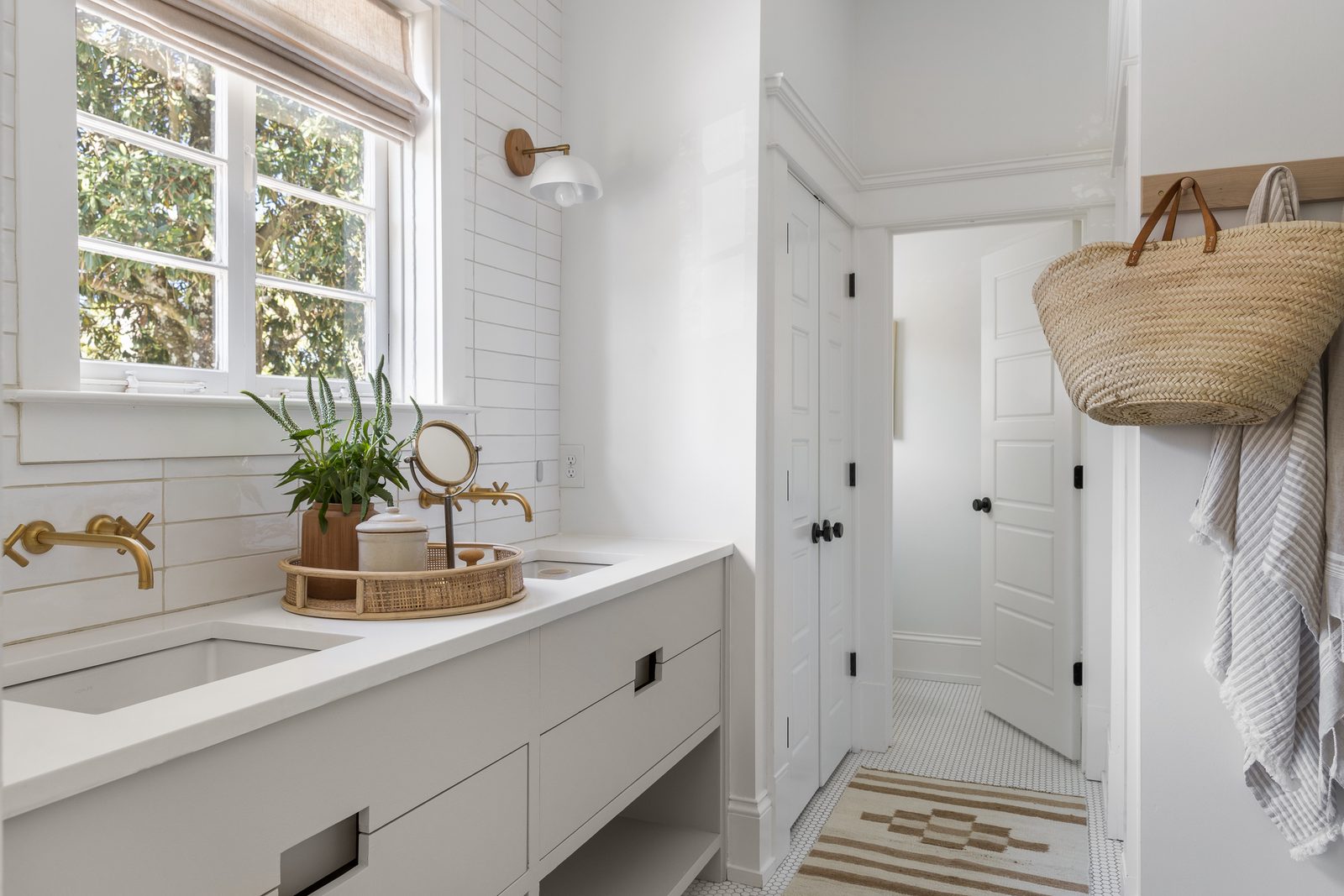
Your side of the prep is the styling work: how to prepare the space, the styling decisions that quietly undermine photography, and the kit worth bringing on the day are each their own post. The compressed version: fewer, better styling moments; fresh greenery; and the homeowner's life boxed up out of frame. One prep myth worth retiring now: you don't need to worry about lamps and bulbs, because interior photography is shot with the lights off: daylight and the photographer's own lighting do the work. The exception is built-in design lighting (under-cabinet, interior cabinet glow, sconces): when the lighting is the design element, we'll often shoot it both ways and feature it deliberately.
What the photographer owns: the light plan, the equipment, the schedule, and the calm. What you own: the design being finished and the styling decisions being made before the day, because decisions made at $300 an hour of shoot time are the most expensive decisions in photography.
Shoot Day, Honestly
Designers who haven't been through an editorial shoot are never quite prepared for how much happens. The day comes at you: furniture gets pulled two feet off the wall because the camera reads space differently than your eye does. A sofa gets shimmed. The first thing I do in most houses is walk room to room turning lights off: almost everyone assumes I need them on, and it's the opposite; the camera wants the daylight. A hero shot of one room takes forty-five minutes to an hour, and during that hour you'll be asked to make a dozen micro-decisions: swap the throw, lose the third vase, restack those books. The schedule bends around the light, so you may shoot the primary bedroom at 9 a.m. and come back to it at 4 p.m. because that's when it earns its window glow.
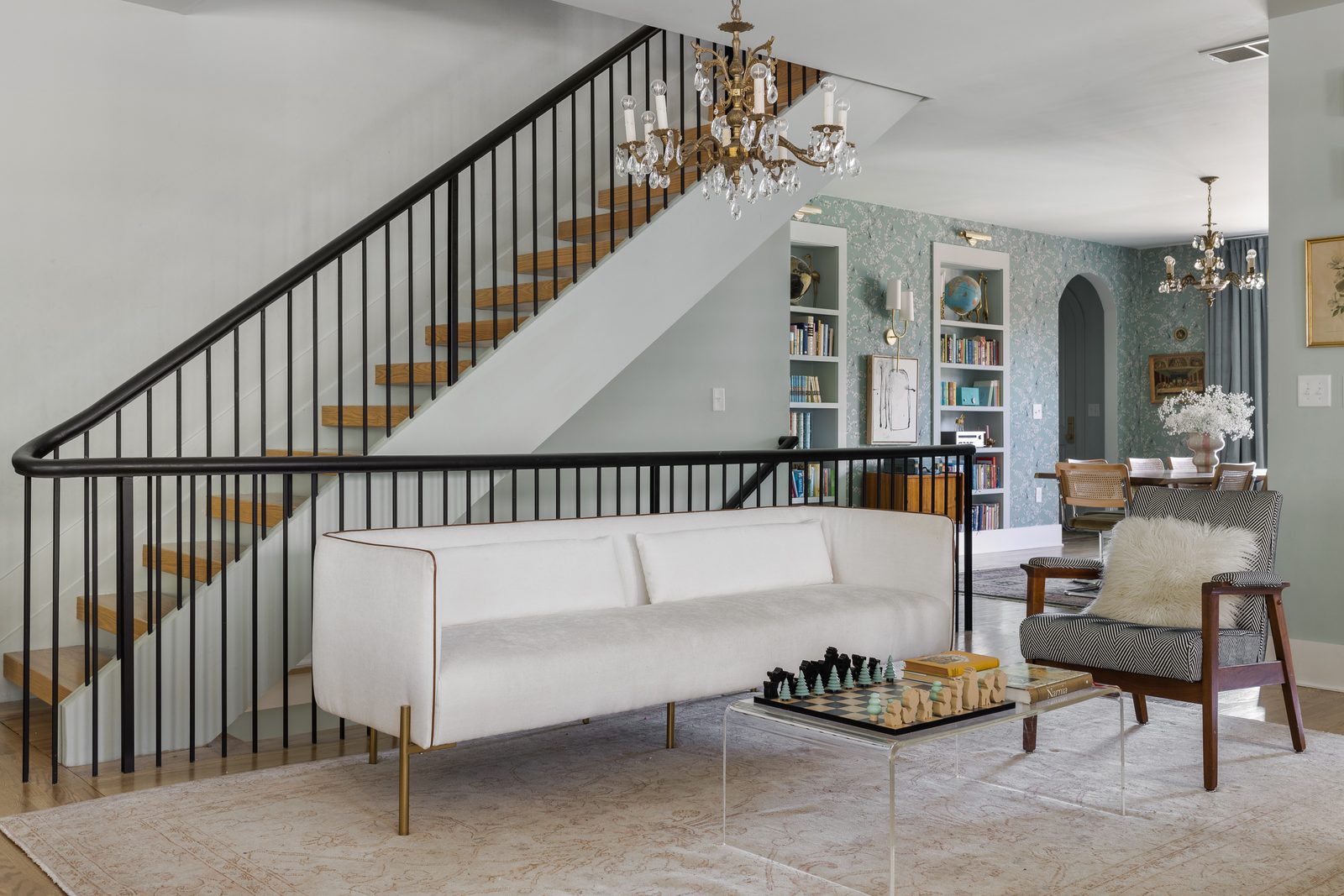
None of this is the shoot going wrong. This is the shoot. Here's the fuller picture of what to expect, but the mindset that helps most: block the entire day, bring your styling kit, and plan to be present and decisive rather than present and observing. The designers who get the best images are working the frame with me, room by room: it's the most collaborative day in your project's life.
After the Shoot: Delivery, Revisions, and What You Can Do With the Files
Standard delivery is one to two weeks from shoot to final gallery: that's real editorial color work, not a card dump with a preset. Same-week or next-day delivery exists as a rush add-on, typically 25–50% above base. Finals arrive via online gallery, with print-resolution files available when a publication needs them.
One thing to ask any photographer you're vetting: when do we choose the finals? Some photographers cull privately after the shoot and you wait on a surprise. My own practice, and the one worth looking for, is choosing the finals together on shoot day, while the room is still styled and we can see what the set needs. You leave the shoot already knowing exactly which images are coming, and the post-shoot window becomes a short, predictable finish instead of a black box.
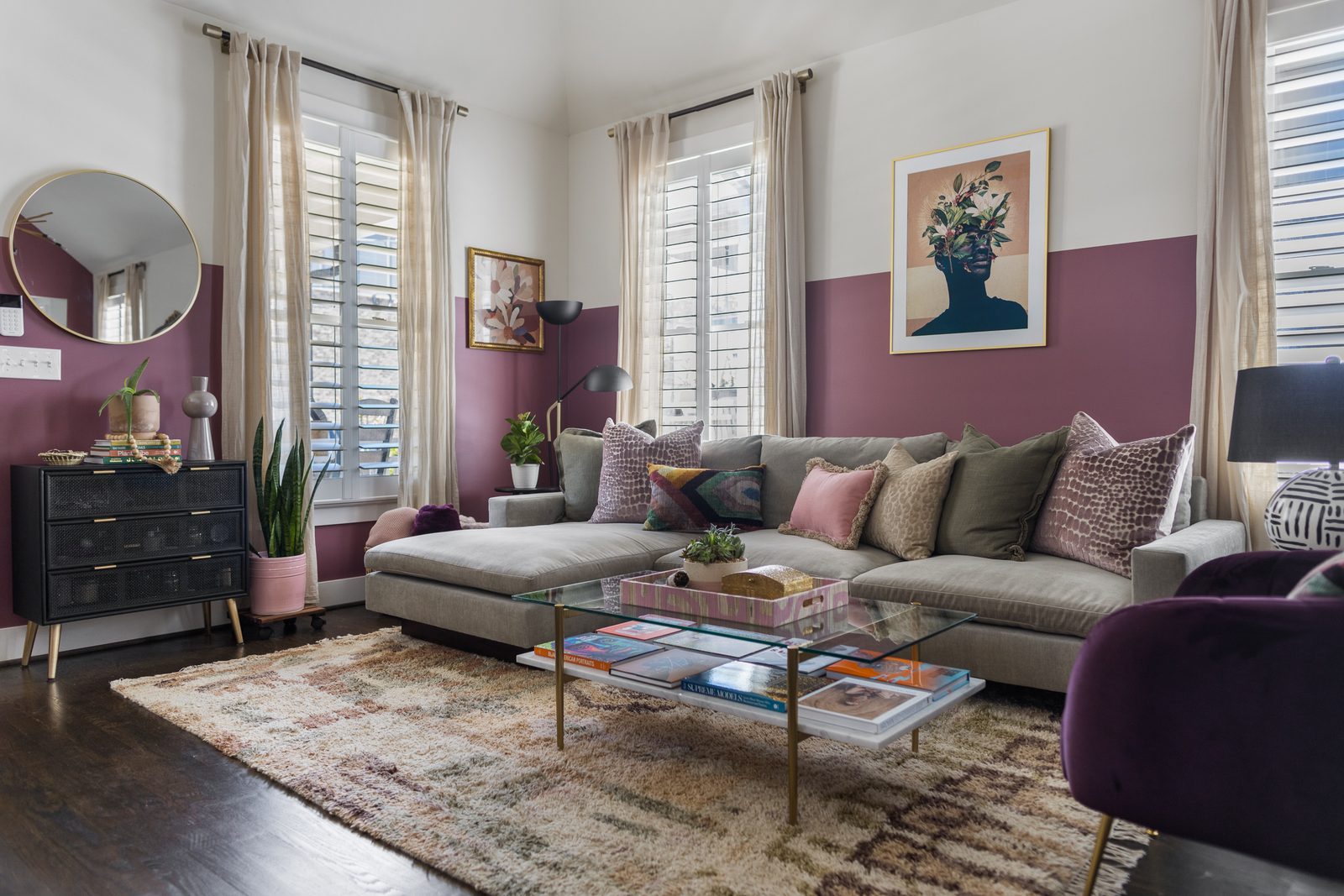
Most photographers include one round of minor revisions (color, crop, small adjustments) with deeper retouching quoted hourly. A word about color, because it surprises designers: between the shoot, the processing, and a photographer's editing style, colors can shift. The blue that reads slightly too saturated, the linen that's gone a touch dull: it happens, and it's nobody's failure. Good photographers guard against it (I shoot phone reference frames of rooms and textiles on the day, because phone color accuracy is genuinely excellent for checking against while editing), and when a color note still slips through, a good photographer fixes it quickly and gladly. Don't be shy about sending one back; we know it's normal too.
And before you post everything everywhere the day the gallery lands: not every image belongs on every surface. Route the portfolio set, the social set, and, critically, the press candidates before the grid gets them, because some publications care about prior use.
The Publication Path
If your license includes one editorial submission, use it. Professional photography is the single biggest factor in whether a project gets published, and a photographer with editorial credits changes your odds again. We know what a features editor needs in the package: verticals for the cover-adjacent slots, a wide establishing shot, details that carry a story. When the feature runs, the credit reads Design by you, photography by us, and both portfolios compound.
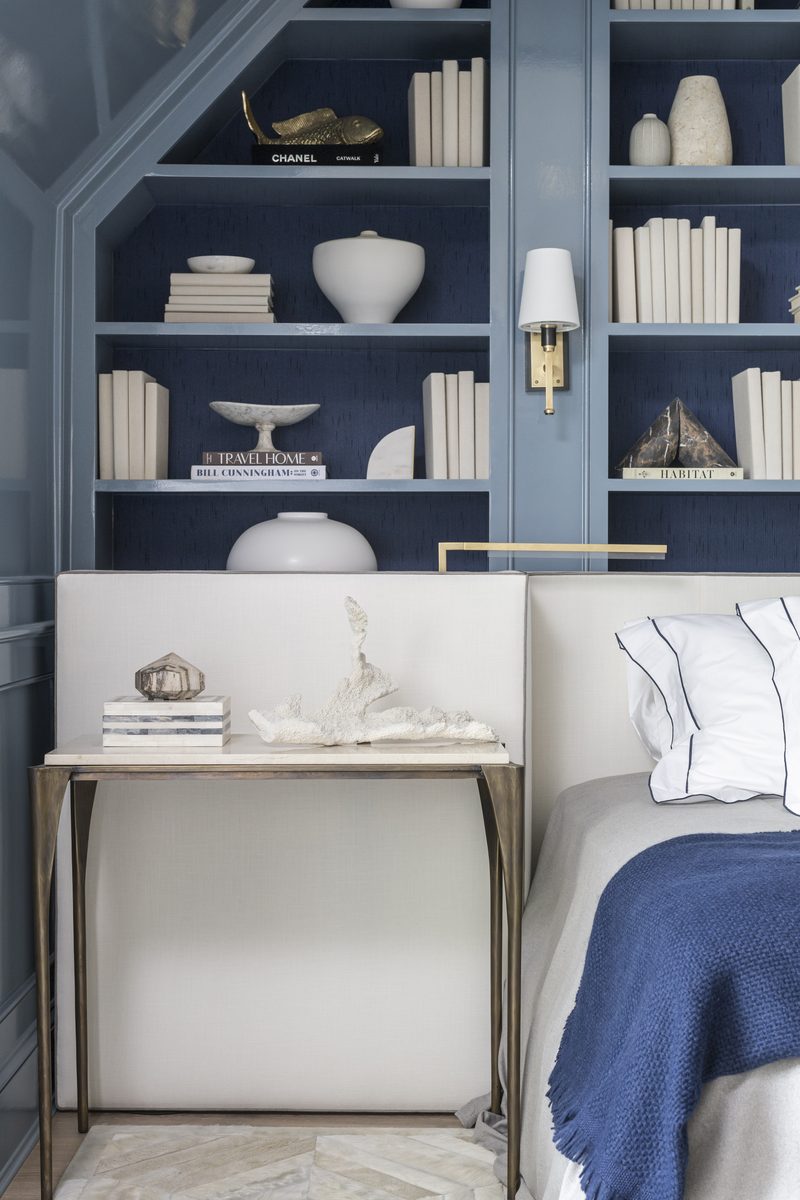
This is also where the right photographer pays for themselves twice. A published project books the next client at a higher tier; the additional-publication license fee is a rounding error against that.
The Long Game
The second shoot with the same photographer is always better than the first. We know your styling instincts, your palette, how you like a bed dressed; you know our rhythm and trust the furniture-moving. The working relationship compounds exactly like the portfolio does.
It also changes how you get treated, candidly. Photographers prioritize repeat designers: for scheduling, for rush asks, for the extra frame that wasn't on the list. The designers who get that treatment are the ones who book early, prep like it matters, decide quickly on shoot day, pay on time, and credit the photography when they post. None of that costs money. All of it gets noticed.
The Short Version
Book your interior photographer before install finishes. Good ones run two to six weeks out, and early conversations improve the final weeks of your project. In Atlanta, plan on roughly $1,500 for a half day (6–8 finals) or $2,500–$3,500 for a full day (12–15 finals), a 50% deposit to hold the date, and a two-week edit. The license typically covers portfolio, marketing, organic social, and one publication submission; vendor uses are licensed separately, which is also your cost-sharing lever. Prep the styling in the two weeks before, block the whole day, work the frames with your photographer, and route your images deliberately when they land. If you're planning a project shoot in Atlanta or the Southeast, I'd be glad to talk through it.
Quick Answers
How far in advance should I book an interior photographer?
Two to six weeks ahead is the working norm for established interior photographers, and the ideal booking happens before installation is complete. Early booking lets the photographer weigh in on photo-relevant decisions, such as window treatments and finishes that read differently on camera, while they're still cheap to change, and it puts a real deadline under the styling punch list.
How much does it cost to work with an interior photographer in Atlanta?
Plan on roughly $1,500 for a half-day shoot with 6–8 final images, and $2,500–$3,500 for a full day with 12–15 included finals. Where per-image overage models apply, additional selects run $75–$150 each. Standard delivery is two weeks; rush delivery adds 25–50%. A 50% deposit at booking is the normal structure.
What does an interior photography license actually let me do?
A typical session license covers your own portfolio, marketing materials, organic (unpaid) social media, and one editorial publication submission. Additional publications are licensed separately, usually from about $400 each. Paid ads and use by third parties (builders, vendors, manufacturers) always require their own license, which is also what enables cost-sharing when multiple parties want the images.
Do I need to be there on the shoot day?
Yes, and plan to participate, not observe. Shoot days are dense with micro-decisions: styling swaps, furniture moved for the camera, frame-by-frame edits of each room. The designer who works alongside the photographer gets noticeably better images than the one who hands over keys, because nobody else can make design calls in real time.
How long does it take to get the final images?
Two weeks from shoot day to final gallery is the editorial standard: that window covers real color correction and retouching, not just exports. Most photographers offer rush delivery (same week or next day) at a 25–50% premium, and a single urgent image within the normal window is often accommodated if you ask.
What's the difference between an interior photographer and a real estate photographer?
Real estate photography sells a property: wide angles, bright and even light, fast turnaround. Interior design photography tells the story of the design itself: intentional composition, controlled light, deep styling. Editors and discerning clients can tell the difference at a glance, which is why real-estate-style images rarely get projects published.